New York City Day Tours
I’m Serious Day Tour Man AI, your day trip expert. Ask me anything — where to go, how to get there, and what’s actually worth your day.
New York’s most famous excursion comes with an explicit warning from the National Park Service itself: only one ferry company is authorized to land at the Statue of Liberty, and the harbor’s aggressive ticket hustlers sell boats that never dock. The full mechanics — including the crown climb that books months out — lead the list below.
The rest of the radius runs up the Hudson and out the island: a factory-sized museum of contemporary art an eighty-minute train ride north, five hundred acres of sculpture in a mountain valley, the village that invented the American ghost story, and a wine country the railroad reaches. The city block sorts the bagels, the Broadway lotteries, and the subway rules.
Here’s what’s worth a day, with real times and honest trade-offs.

Popular Day Trips
Hudson Valley
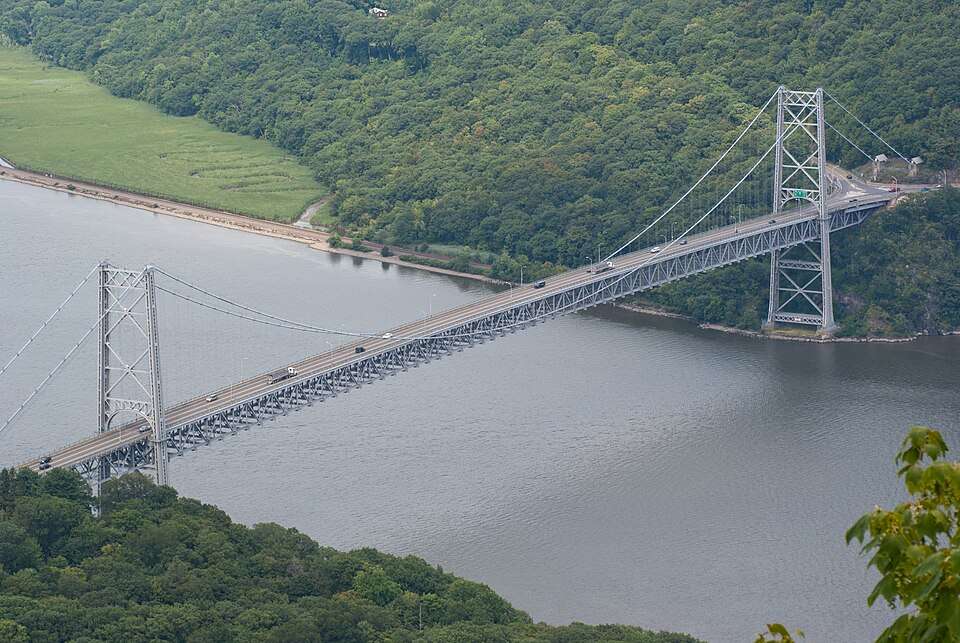
Dia Beacon by Train, Storm King by Shuttle
Sleepy Hollow
The Hudson Line, the October Circus
Princeton
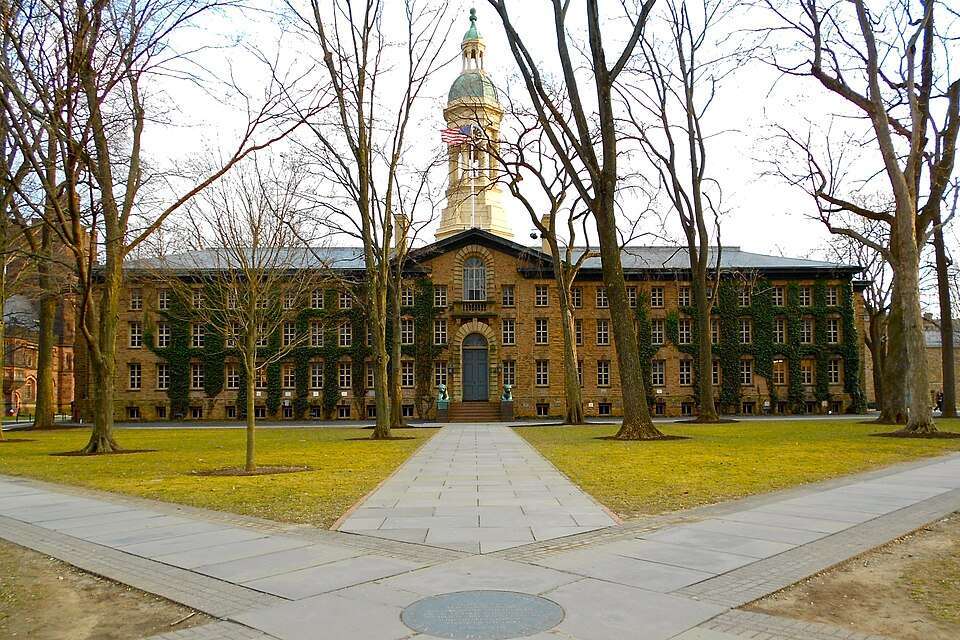
The Dinky, a Building That Was Briefly the Capital
Liberty & Ellis — The Harbor Day, Done Right
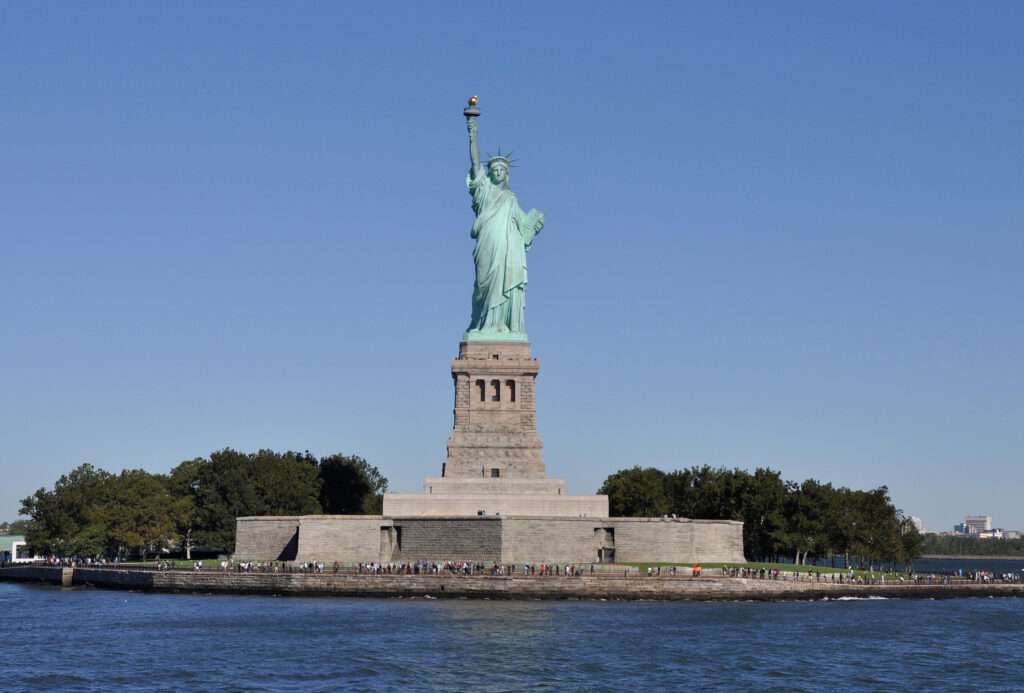
The rules first, because the harbor punishes improvisation: Statue City Cruises is the only ferry authorized to land at Liberty and Ellis Islands — the NPS says so in writing, warning that third-party sellers and the hustlers at the Battery sell pricier boats that only sail past. Book on the official site: general admission covers both islands and both museums, pedestal access adds the elevator-served terrace, and the crown — 377 steps into the head, twenty-five windows over the harbor — reserves months ahead for peak dates, with in-person wristband pickup, a minimum-height rule, and no under-fours.
The timing mechanics: your ticket time is the security screening time, not the boat’s — arrive 30 minutes before it, and know peak-season screening can run an hour. Entries after 2 p.m. realistically fit one island, not both; the morning slot with Liberty first and Ellis second is the full version. Give Ellis its half: the Registry Room where twelve million people held their breath, the passenger-record search terminals, and the hard-cases corridors that complicate the fairy tale honestly.
The frame: five to six hours for both islands done properly — a genuine day trip that happens to start downtown — with the free Staten Island Ferry as the zero-dollar consolation for schedule casualties: it passes the statue at photo distance every thirty minutes and asks nothing.
Dia Beacon & Cold Spring — The Hudson Art Day
Eighty minutes north on Metro-North’s Hudson line — sit on the left heading up; the river rides beside you the whole way — Dia Beacon fills a former box-printing factory with contemporary art at the scale it was made for: Richard Serra’s torqued ellipses walked through rather than around, Louise Bourgeois’s spiders in the attic dark, Sol LeWitt walls by the room, all under acres of sawtooth skylights that make daylight the curator. It keeps museum-world days (typically closed midweek early in the week — check before boarding), and the walk from Beacon station takes five minutes.
Beacon town adds the afternoon: Main Street’s mile of galleries, record shops, and bakeries runs the Hudson Valley’s best small-town graze, and the Mount Beacon fire-tower trail (steep, ninety minutes up) takes in the whole river bend from the top.
Cold Spring, one stop south, is the storybook half: a Civil War-era main street dropping straight to a riverfront gazebo, antique rows, and the Foundry Preserve’s ruins walk. The pairing runs either order; the connoisseur’s version is Dia at opening, Beacon lunch, Cold Spring’s golden hour, and the riverside train home. Breakneck Ridge — the famous scramble between the two towns — is a real hands-on climb with its own flag-stop station on weekends, taken with proper shoes or not at all.
Read the full Hudson Valley day-trip page.
Storm King & the Highlands — Sculpture at Landscape Scale
An hour north by car or seasonal coach-and-shuttle combinations, Storm King Art Center spreads five hundred acres of hills, fields, and allées under monumental sculpture: the Calders and di Suverios sized to stand up to mountains, Maya Lin’s Storm King Wavefield rolling eleven acres of grass into ocean, Goldsworthy’s wall walking into its pond and out the other side. The mechanics: timed vehicle passes book ahead (the site meters cars, not people), the season runs spring through late fall, bikes rent on-site and transform the acreage, and the tram loop serves the walking-averse. Allow four hours; the light after 3 p.m. is the collection’s best curator.
The stack across the river: West Point’s visitor mechanics (guided bus tours from the visitor center with ID; the museum is free) add the fortress-on-the-bend history hour, and the Bear Mountain summit drive or Perkins Tower climb reads the Hudson at hawk height — October turns the whole corridor into the fall-color day every leaf-peeping list shortchanges.
The frame: Storm King alone is the day for art people; Storm King-plus-Bear Mountain is the landscape version; and the picnic beats the café line on fine weekends. This is the region’s best argument that “day trip from New York” can mean silence.
Sleepy Hollow & Tarrytown — The Legend and the Estate
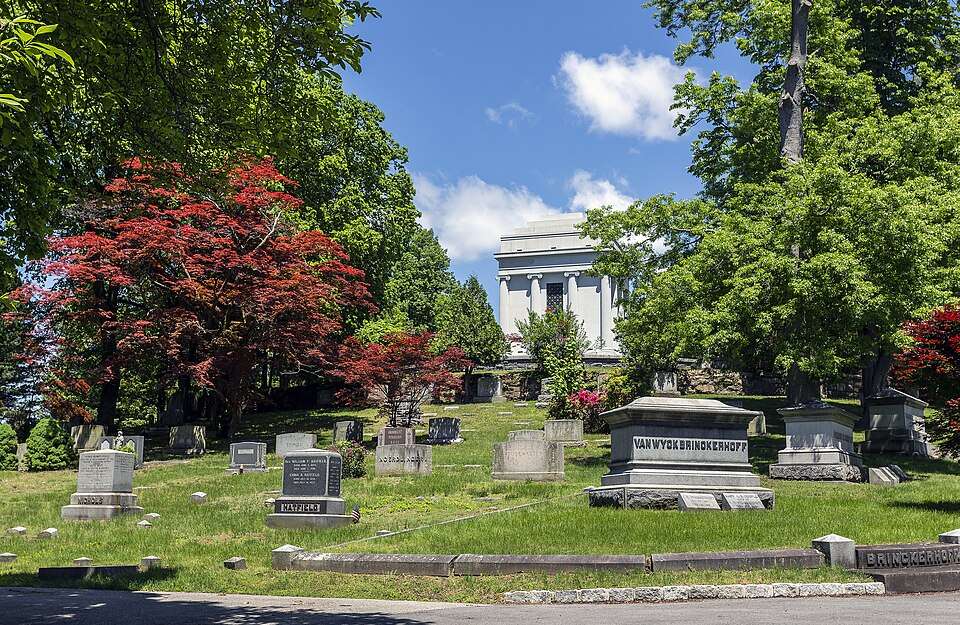
Forty-five minutes up the Hudson line, Sleepy Hollow is exactly what the name suggests and profits accordingly: Washington Irving’s village — the Old Dutch Church and burying ground where the Headless Horseman rode, and the vast Sleepy Hollow Cemetery beside it, where Irving himself, the Rockefellers, and Gilded Age New York lie along lanes made for wandering (the cemetery’s own tours, including evening lantern versions, book ahead and earn it). October converts the town into America’s Halloween capital — the Great Jack O’Lantern Blaze’s thousands of carved pumpkins sell out weeks ahead — chosen deliberately or avoided knowingly.
The estate layer: Kykuit, the Rockefellers’ hilltop house, tours its terraced gardens, Brancusi-to-Picasso sculpture, and the underground galleries by timed reservation (seasonal; book ahead), while Philipsburg Manor’s working colonial mill below tells the harder history of the enslaved workers who ran it — told properly. Lyndhurst’s Gothic Revival pile completes the mansion circuit for the architecture-inclined.
Tarrytown’s Main Street handles lunch and the antique hour. The Tappan Zee-replacing bridge’s walking path adds an improbable river-crossing stroll. The frame: legend-plus-one-estate is the day; October is its own economy; and the train makes all of it car-free.
Read the full Sleepy Hollow day-trip page.
The North Fork & Greenport — Wine by Railroad
Two and a half hours east by LIRR (or ninety minutes driving, traffic willing), Long Island’s North Fork is the anti-Hamptons: thirty-plus wineries strung along two farm roads, oyster boats working the bays, and a shingled port town — Greenport — with a working carousel, rigging-draped harbor, and oyster bars that serve what the water grew. The honest transport math: summer weekend LIRR service lands in Greenport itself, the tasting rooms cluster bikeable-to-drivable distances apart, and the driver question settles by train-plus-bikes, a hired car, or the group tours — never by optimism.
The circuit: two tasting rooms (the fork’s whites and cabernet francs outperform their fame; the reserve pours cost less than Manhattan by-the-glass), one farm stand (the fork feeds the city’s greenmarkets; buy at the source), and Greenport’s harbor hours — Claudio’s-adjacent oysters, the jetty at golden hour, and the Shelter Island ferry’s ten-minute crossing for the bonus island walk.
The calendar: May–June and September–October run the fork at its best; July–August weekends import the crowds without the Hamptons’ pretense; and the fall pumpkin-and-apple economy converts the farm stands into destinations. The frame: this is the exhale day — salt air, cold whites, a train nap home — and the region’s best answer to “beach-and-vineyard without the scene.”
The Lottery Rules, the Bagel Truth & New York Itself
The Broadway arithmetic: digital lotteries (each show’s official app or site, entered that morning), same-day rush at the box office, and the TKTS booths’ 20–50 percent cuts beat every resale markup — and the Tuesday-through-Thursday curtain is the availability window the weekend never offers. Standing room appears when shows sell out, sold at the box office only.
The eating truths, stated as law: the bagel is boiled and never toasted when fresh (ordering it toasted at a proper shop is a confession), the slice is folded and eaten walking, the pastrami institutions charge what history costs, and the dollar-slice economy is real, functional, and best after midnight. The coffee is a “regular” only if you mean milk and sugar; ask like you’ve been here.
The subway rules: tap with any contactless card (fare caps weekly — the tourist MetroCard hunt is over), stand clear of the doors as a lifestyle, and know express-versus-local is the difference between arriving and touring Brooklyn accidentally. Season math: May–June and September–October are the windows; August is a swamp with excellent air-conditioned museums; the holiday season (Thanksgiving through New Year) doubles crowds and lights everything; and the city’s best free spectacle remains the Staten Island Ferry at dusk, which returns this list to the harbor where it started.
Full day-trip pages: Princeton.
Frequently Asked Questions
How do you get Statue of Liberty crown tickets?
Only through Statue City Cruises — the sole NPS-authorized ferry — with crown reservations opening months ahead for peak dates, in-person wristband pickup, 377 steps, and height/age minimums. Your ticket time is the security-screening time: arrive 30 minutes before it.
Are the ticket sellers at Battery Park legitimate?
The aggressive ones, no — the NPS warns explicitly that third parties sell pricier boats that never land on the islands. Book the official site, or take the free Staten Island Ferry for the sail-past version.
Is Dia Beacon worth the train ride?
For art people, it’s the region’s best day — factory-scale Serra, Bourgeois, and LeWitt under skylights, five minutes from the station, with Beacon’s Main Street and Cold Spring one stop south. Check open days before boarding; it keeps museum-world hours.
Do you need a car for Storm King?
It helps — timed vehicle passes book ahead — but seasonal coach-and-shuttle combinations run from the city, and on-site bike rentals cover the acreage. Four hours minimum, picnic over café line, and the after-3 light is the show.
How do Broadway lotteries work?
Each show runs its own digital lottery — enter that morning on the official app or site — with same-day rush and the TKTS booths as the fallbacks. Tuesday–Thursday curtains offer the odds weekends never do; standing room sells at the box office when shows sell out.